
Cracking the Code: Your Ultimate Standard Crochet Abbreviations Key
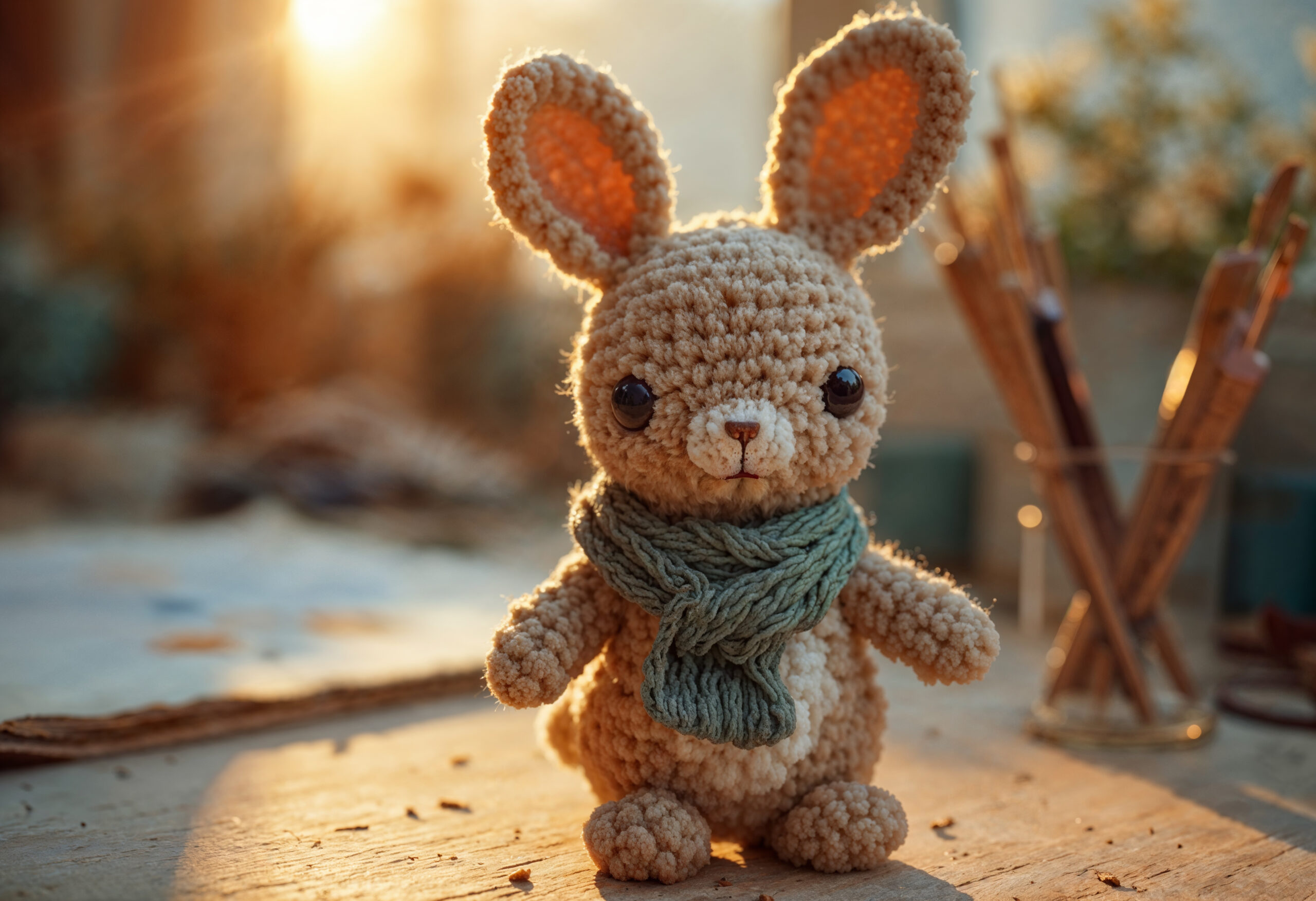
Have you ever opened up a crochet pattern and felt like you were suddenly staring at a page of secret spy code? You’re not alone. One minute you’re excited to make a cute beanie or a cuddly amigurumi bunny, and the next you’re seeing things like “sc 2 in next st, hdc blo, sl st to peak.” It looks less like a hobby and more like a chemistry textbook!
If you’re a beginner—or even if you’ve been hooking for a while but keep forgetting the difference between a treble and a double—don’t panic. Crochet patterns use abbreviations to save space and make the instructions faster to read once you know the language. Think of a standard crochet abbreviations key as your personal translator.
In this guide, we’re going to break down the most common US crochet terms so you can stop guessing and start stitching. Let’s dive in!
The Bread and Butter: Basic Stitch Abbreviations
Most patterns are built on a handful of core stitches. Once you have these down, you can actually make about 90% of all crochet projects. Here are the heavy hitters you’ll see in almost every US pattern.
- ch: Chain. The foundation of almost everything. It’s that little knot and series of loops you start with.
- sl st: Slip Stitch. This is the “stealth” stitch. It’s used mostly to move your yarn across the project without adding height or to join a round into a circle.
- sc: Single Crochet. The workhorse of amigurumi. It’s short, tight, and sturdy.
- hdc: Half Double Crochet. The middle child. It’s taller than a single but shorter than a double. It creates a lovely, soft fabric.
- dc: Double Crochet. The most common stitch for blankets and scarves. It’s fast to work up and creates a nice drape.
- tr: Treble Crochet. A tall, loopy stitch. You don’t see this as often as the dc, but it’s great for adding height or lacey gaps.
Shaping Your Work: Increases, Decreases, and More
If you’re making something that isn’t a flat rectangle (like a hat, a sweater, or a toy), you’ll need to change the shape of your piece. This is where the “shaping” abbreviations come into play.
Adding Width (Increases)
When a pattern wants your project to get wider, it will ask you to increase. The most common way to do this is inc, which usually means “work two stitches into the same hole.” If you see “sc 2 in next st,” that’s just another way of saying “increase using single crochet.”
Shrinking the Size (Decreases)
To make a circle close up or a waistline pull in, you’ll see dec. In US terms, this usually means “single crochet decrease” (sc2tog), where you combine two stitches into one. Depending on the pattern, you might see hdc2tog or dc2tog, which just means you’re decreasing using that specific stitch.
The Magic Ring
If you’re getting into amigurumi, you’ll see MR or magic ring. This isn’t exactly a stitch, but a way to start a project in a circle that allows you to pull the center hole completely shut. It’s a game-changer for making clean, gap-free heads and bodies!
The “Fancy” Stuff: Advanced Instructions
Once you’ve mastered the basics, patterns start adding little modifiers to the stitches. These change the texture and look of your work completely.
BLO and FLO
Most crochet stitches have a “post” (the vertical part). Usually, we insert our hook under both loops at the top of the stitch. But sometimes, a pattern will tell you to be picky:
- BLO: Back Loop Only. You only hook into the loop furthest away from you. This is how you create that “ribbed” look on sweater cuffs or hats.
- FLO: Front Loop Only. You only hook into the loop closest to you. This is often used to create decorative edges or to attach other pieces to your work.
Clusters and Shells
If you see cl (cluster) or shell, you’re dealing with decorative stitches. A shell usually involves working several double crochets into one single stitch, creating a fan shape. A cluster involves working several stitches and then joining them all together at the top. These are the “jewelry” of the crochet world!
The Great Divide: US vs. UK Terms
Here is where a lot of crocheters get frustrated. Crochet terms are not universal. There is a massive difference between US terms and UK terms, and if you use the wrong key, your project will end up the wrong size.
For example, a US “single crochet” (sc) is called a “double crochet” (dc) in the UK. If you follow a UK pattern using US definitions, your project will be much larger and loopier than intended. Always check the beginning of your pattern for a “Terms” section to ensure it specifies US Terminology.
Quick Cheat Sheet for the Confusion:
- US Single Crochet (sc) = UK Double Crochet (dc)
- US Half Double Crochet (hdc) = UK Half Treble Crochet (httr)
- US Double Crochet (dc) = UK Treble Crochet (tr)
- US Treble Crochet (tr) = UK Double Treble Crochet (dtr)
Pro Tips for Reading Patterns Without Losing Your Mind
Even with a key, reading patterns can feel overwhelming. Here are a few tricks from the crochet trenches to keep you sane:
Use Stitch Markers
When you’re working in rounds (like a hat), it is incredibly easy to lose track of where the row ends. Use a scrap piece of contrasting yarn or a plastic stitch marker to mark the first stitch of every round. Your future self will thank you.
Tally Your Rows
If a pattern asks you to “repeat rows 2-10 five times,” don’t try to keep count in your head. Use a piece of paper to make a tally mark every time you finish a row. One phone notification or conversation with a friend can make you forget if you were on row 3 or 4!
Read the Whole Pattern First
Before you even touch your hook, read the pattern from start to finish. This helps you spot any “surprise” stitches or techniques you might need to look up on YouTube before you’re halfway through a project and realize you don’t know how to do a “puff stitch.”
Wrapping It Up
Learning the standard crochet abbreviations key is like learning a new language. At first, it feels clunky and confusing, but soon you’ll be able to glance at a pattern and know exactly what to do without even thinking about it.
The most important thing to remember is that every crocheter learns at their own pace. If you get stuck, just take a breath, check your key, and remember that the beauty of crochet is that you can always “frog it” (rip it out) and start over if things go wonky.
Now that you’ve got the code cracked, go grab your favorite yarn and get stitching!