
Where to Start? The Best Online Resources for Learning Basic Crochet Stitches
So, you’ve decided to pick up a crochet hook and turn some yarn into something amazing. First of all: welcome to the club! There is something incredibly soothing about the rhythm of crochet, and let me tell you, the feeling of finishing your first project—even if it’s just a slightly wonky square—is a total rush.
But here is the thing: when you first start searching for “how to crochet” online, it can feel like you’re being hit by a tidal wave of information. There are thousands of videos, endless blogs, and a whole different language of abbreviations (what on earth is a ‘hdc’ anyway?). It’s easy to feel overwhelmed before you’ve even made your first slip knot.
The good news is that we are living in the golden age of DIY learning. You don’t need to find a local class or buy an expensive textbook. Some of the best teachers in the world are available for free right on your screen. In this guide, we’re going to break down the best types of online resources for learning those basic stitches and some tips on how to use them without losing your mind.
The Heavy Hitter: Video Tutorials
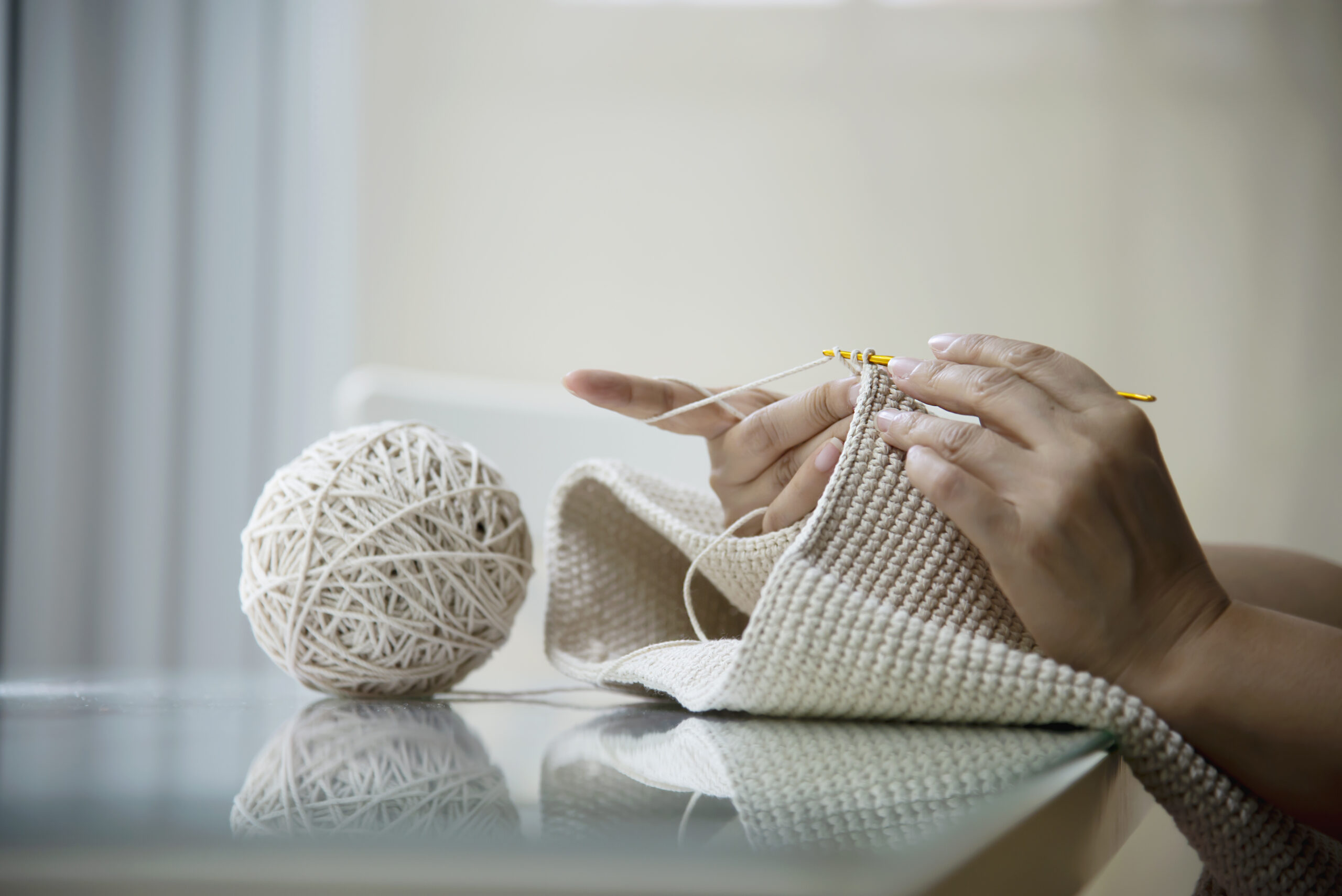
For most people, crochet is a visual language. It’s one thing to read “yarn over and pull through two loops,” but it’s another thing entirely to see a hook actually doing it. This is why video platforms are the absolute gold standard for beginners.
YouTube: The Ultimate Crochet Library
YouTube is essentially the “University of Crochet.” Whether you are a visual learner or someone who needs to see a stitch done ten different ways before it clicks, this is your place. When searching for tutorials, look for “Absolute Beginner” playlists. Many creators have designed their videos as a series, taking you from the very first knot to your first finished project.
Pro Tip: Don’t be afraid to use the playback speed settings! If a teacher is moving too fast, click the settings gear and slow the video down to 0.75x. It makes it much easier to see exactly where the hook is entering the stitch.
TikTok and Instagram Reels
Short-form video isn’t great for learning a whole project, but it is fantastic for “aha!” moments. If you’re struggling with one specific movement—like how to turn your work or how to do a magic circle—a 60-second Reel or TikTok can often explain it more concisely than a 20-minute video.
The Slow-and-Steady: Blogs and Written Guides
While videos are great, they can be frustrating when you have to keep pausing and rewinding every three seconds. This is where crochet blogs and written tutorials shine.
Step-by-Step Photo Tutorials
A good crochet blog will provide high-resolution photos of every single step. This allows you to work at your own pace. You can look at the photo, try the stitch, and then scroll down when you’re ready. Look for blogs that use “close-up” photography—the closer you can see the yarn fibers and the hook placement, the better.
Written Patterns and Terminology Guides
Eventually, you’ll want to move beyond tutorials and start reading patterns. To do this, you need a “decoder ring” for crochet abbreviations. Look for resources that provide a comprehensive list of US crochet terms. Knowing that “sc” means single crochet and “ch” means chain is the first step toward independence in the craft.
The Support System: Online Communities
Crochet can be lonely if you’re just staring at a screen, and it can be frustrating when you hit a wall. That’s why joining a community is a game-changer.
Reddit and Forum Groups
There are massive communities on Reddit dedicated specifically to beginners. These are great places to post a photo of your work and ask, “Why does my square look like a triangle?” Experienced crocheters are usually more than happy to help you spot where you might be accidentally adding or dropping stitches.
Facebook Groups
Search for “Beginner Crochet” groups on Facebook. These communities are often very encouraging and are great for finding “CALs” (Crochet-Alongs), where a group of people all start the same project on the same day. It’s a great way to stay motivated.
The “Starter Pack” of Stitches: What to Learn First
Regardless of which resource you use, you don’t need to learn everything at once. Focus on these basics in this order. Once you master these, you can actually make a huge variety of items!
- The Slip Knot and Chain (ch): This is the foundation of almost every project. Everything starts here.
- Single Crochet (sc): The most basic stitch. It creates a tight, dense fabric—perfect for washcloths or amigurumi (plushies).
- Half Double Crochet (hdc): A middle-ground stitch that’s a bit taller than a single crochet but shorter than a double. It’s a great “all-purpose” stitch.
- Double Crochet (dc): The workhorse of crochet. It’s faster to work with and creates a softer, drapier fabric—ideal for scarves and blankets.
- The Slip Stitch (sl st): Mostly used for joining rounds or moving the yarn across a row without adding height.
Tips for a Frustration-Free Start
Even with the best resources, the first few hours of crocheting can be a bit clunky. Here are a few tips to keep you from throwing your hook across the room.
Choose Your Yarn Wisely
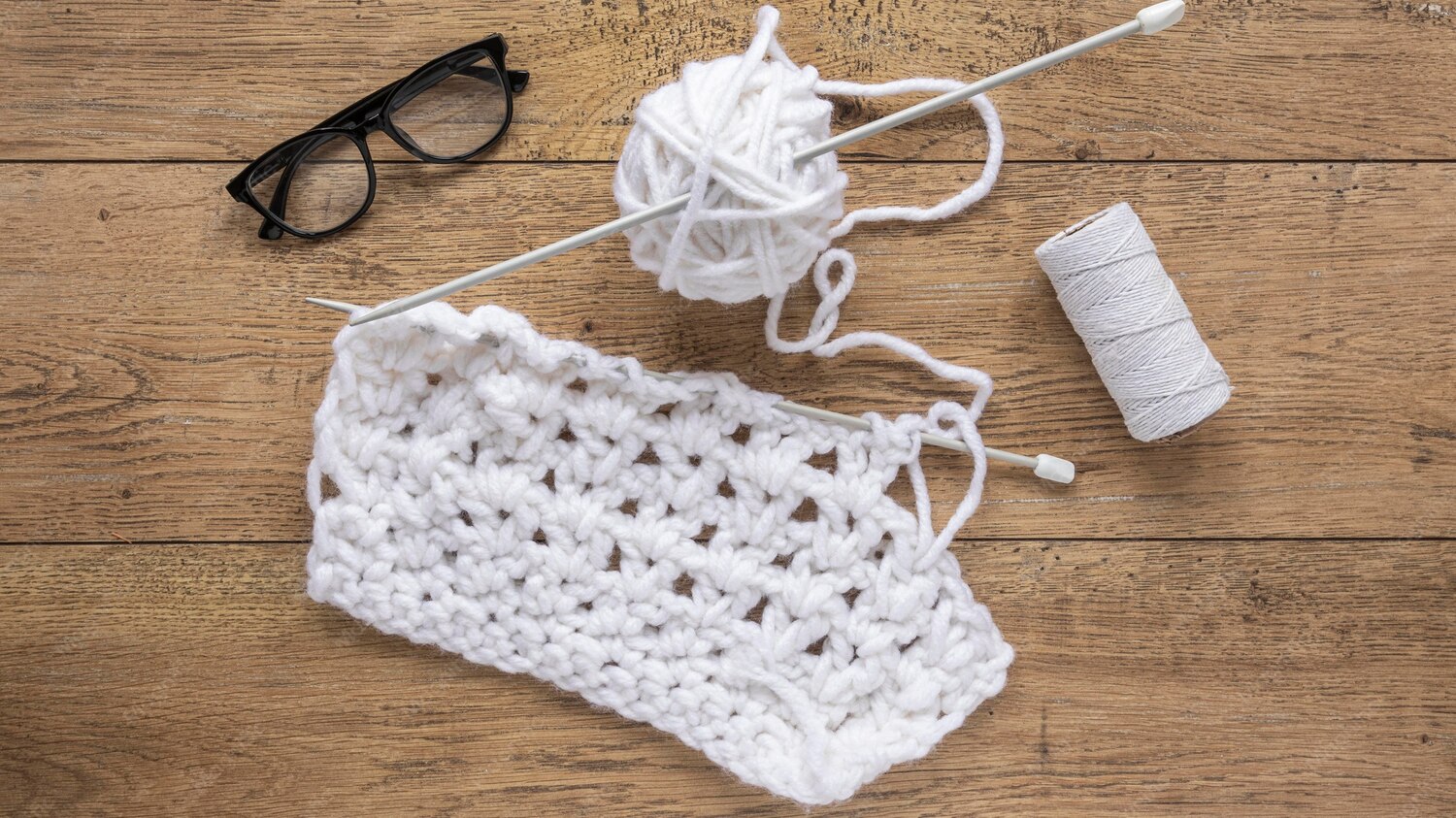
This is the biggest mistake beginners make: choosing a black, navy, or “fuzzy” yarn. Avoid dark colors! It is nearly impossible to see where your stitches are when the yarn is dark. Go for a light, solid color (like yellow, mint, or baby pink) in a medium weight (usually called “worsted weight” or “weight 4”). This makes the holes and loops stand out so you can actually see what you’re doing.
Start with a Comfortable Hook
A 5.0mm (H) hook is generally the perfect starting point for worsted weight yarn. If you find your hands cramping, look for an ergonomic hook with a rubber grip. Your wrists will thank you.
Embrace the “Frog”
In the crochet world, “frogging” is when you rip out your stitches because you made a mistake (because you “rip it, rip it,” like a frog). Every single crocheter—even the pros—frogs their work. It is not a failure; it is part of the process!
Common Newbie Questions (FAQ)
Why is my project getting narrower or wider?
This is the classic beginner struggle. You are likely missing the very first or very last stitch of your row. To fix this, try using stitch markers. Place a marker in the first stitch of your row so you know exactly where to stop when you come back around.
What is the difference between US and UK terms?
This is a huge source of confusion. A “Double Crochet” in the US is completely different from a “Double Crochet” in the UK. Always check the pattern or tutorial to see which terminology they are using. For US audiences, stick to US terms to keep things simple.
My stitches are way too tight! What do I do?
Tension is something that comes with time. If you’re struggling to get your hook into the stitch, take a deep breath and consciously relax your grip. Remember, the yarn should glide, not be strangled!
Wrapping It Up
Learning to crochet is a journey, not a race. Whether you prefer the fast-paced energy of a YouTube tutorial, the quiet guidance of a photo blog, or the communal support of a Reddit thread, the most important thing is to keep your hook moving.
Don’t worry if your first few projects look a little “rustic.” Those wonky edges are just proof that you’re learning. Pick a light-colored yarn, find a tutorial that speaks to you, and just start chaining. Happy hooking!