
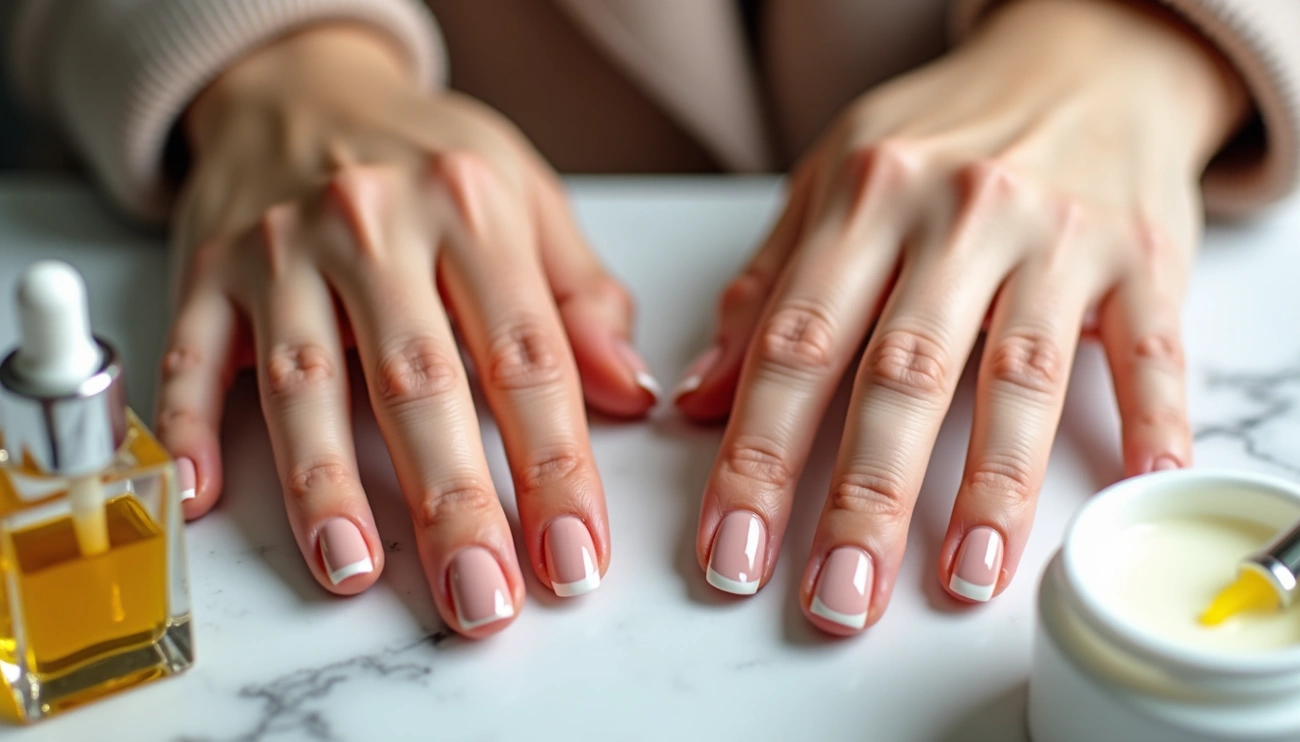
How to Save Your Nails This Winter: A Moisturizing Guide That Actually Works
Growing a completely new nail from cuticle to tip takes six full months. Finding the right moisturizer at this time is a vital part of nail care since damaged nails cannot be replaced overnight.
The winter months bring unique challenges to nail health. Your nails suffer just as much as your skin does when chilly air outside meets dry indoor heating. Cold weather strips moisture from nails and leaves them dry, brittle, and prone to chipping. Natural oils that bind different nail layers dry out under winter conditions, which weakens this natural “glue.” Many people’s nails start peeling with damaged keratin layers or become so brittle they snap at the slightest knock.
The right nail moisturizer and consistent care habits can protect your nails from winter damage effectively. This piece will show you exactly how to keep your nails healthy and hydrated throughout winter, whether you need daily moisturizing routines, deep treatments for damaged nails, or preventative measures.
Why Your Nails Suffer in Winter
Winter creates unique challenges that affect your nail health. Your nails become just as vulnerable as your skin when cold weather hits.
How cold weather affects nail structure
Cold weather sets up the perfect conditions to damage your nails. Cold air carries less moisture than warm air, and indoor heating removes even more humidity from your environment. These conditions guide your nails toward high dehydration.
Your nail plate normally contains approximately 15% water vapor. The winter weather pushes this percentage below what your nails need, which changes their basic structure. Your nails expand and contract as you move between cold outdoors and warm indoors. This back-and-forth weakens the keratin bonds that make your nails strong and flexible.
Your blood flow to hands and feet decreases in cold weather. Your nails need proper circulation to get nutrients to the nail matrix. Less blood flow means your nails don’t get enough building blocks to grow healthy.
Signs of dry and brittle nails
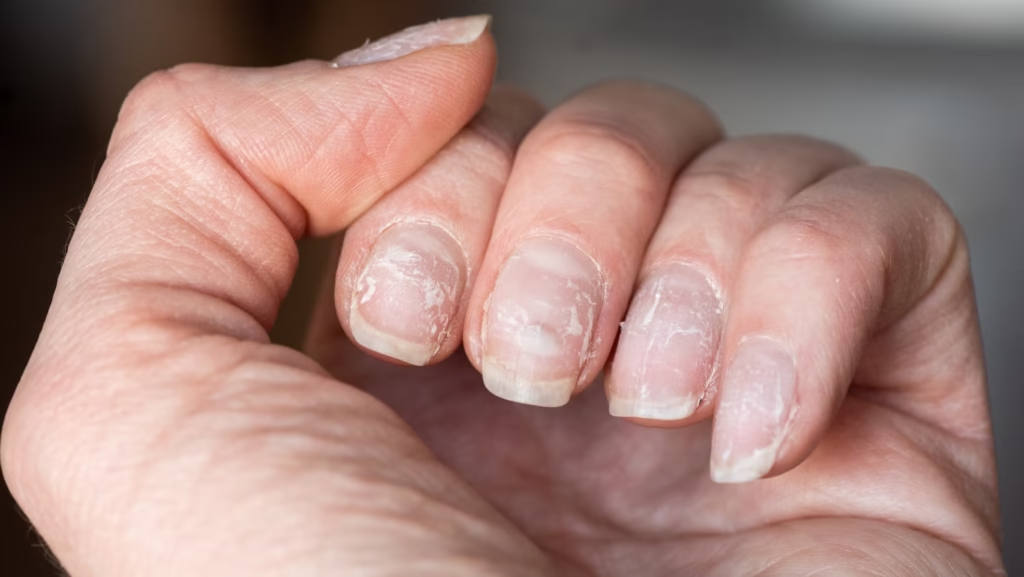
Your nails will show these warning signs when winter takes its toll:
- Peeling nails with damaged keratin layers
- Brittle nails that break or snap easily
- Visible ridges or uneven texture
- Slower nail growth or uneven growth patterns
- Rough nail surface and splitting into layers
- Dull appearance lacking natural shine
Your cuticles often turn rough, cracked, or overgrown—creating openings for bacteria and fungi to enter. This damage breaks the protective seal your cuticles provide, which can lead to nail bed inflammation (paronychia).
Why moisturizing matters more in winter
Moisturizing becomes a vital part of winter nail care because it fixes many types of nail damage. A good nail moisturizer helps restore the moisture balance your nails lose to dry winter air.
The right moisturizer prevents more water loss while making the keratin structure stronger. Your nails become fragile without enough moisture. They start splitting, peeling, and breaking with even light pressure.
Moisturizing protects your cuticles from drying and cracking, which lowers your risk of infections. Moisturizers can sink deeper into nail tissues through occlusion, which helps them work better.
Your nails’ natural barrier function needs regular moisturizing support, especially in winter when they face repeated water exposure followed by intense drying.
Daily Moisturizing Habits That Work
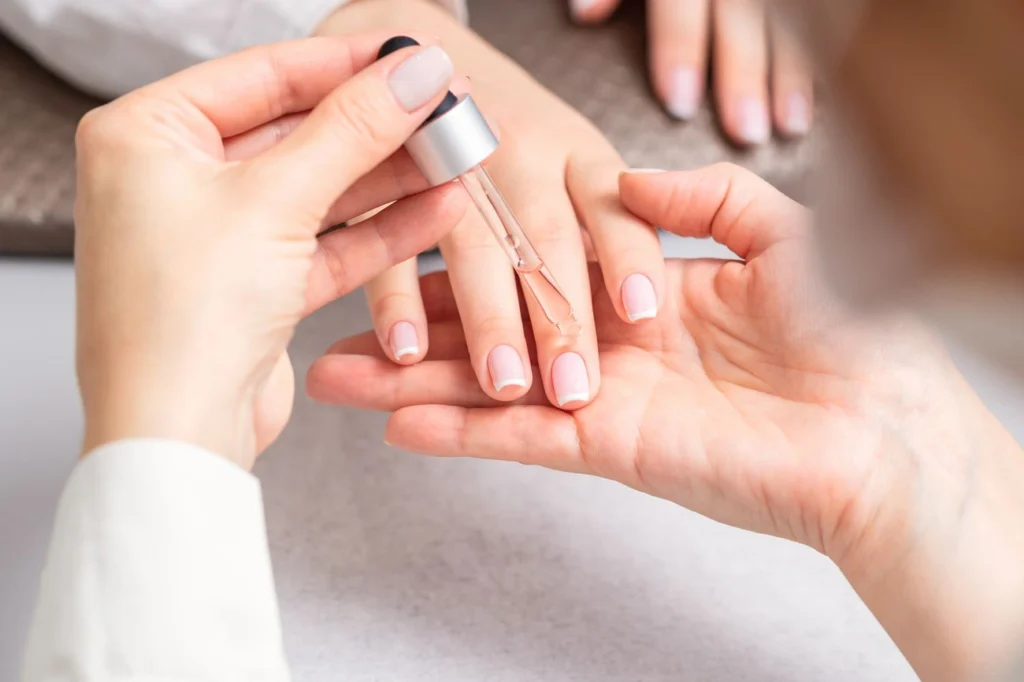
Regular care is the life-blood of healthy nails during winter. A solid daily routine can revolutionize your brittle, dry nails into strong, hydrated ones.
Use a nail moisturizer after every hand wash
Your nails lose their natural oils through frequent handwashing and become vulnerable to damage. This daily habit speeds up nail dryness, especially when you have winter conditions. You need to moisturize right after washing to curb these effects. A small bottle of nail moisturizer or cuticle oil should be kept at every sink in your home and office. Most nail experts agree that consistency matters more than brand selection.
The best results come from applying moisturizer to slightly damp hands – this traps the remaining water. Products with plant glycerin or chestnut extract provide deeper, longer-lasting hydration. Your nails’ natural oils stay protected better with gentle, moisturizing soaps.
Apply cuticle oil before bed
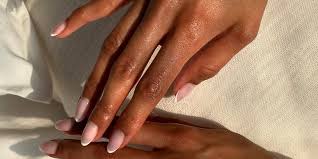
Your nails absorb treatment best during nighttime hours. A small amount of cuticle oil should be massaged into each nail bed and surrounding cuticle before sleep. This overnight treatment lets the oil work without disruption from washing or touching objects.
Nail experts suggest using one drop of oil per nail and gently massaging it into nails and cuticles. This bedtime practice boosts circulation around your nail bed and thus encourages healthy growth. The overnight application helps restore moisture lost during daytime activities.
Choose the best moisturizer for nails with natural oils
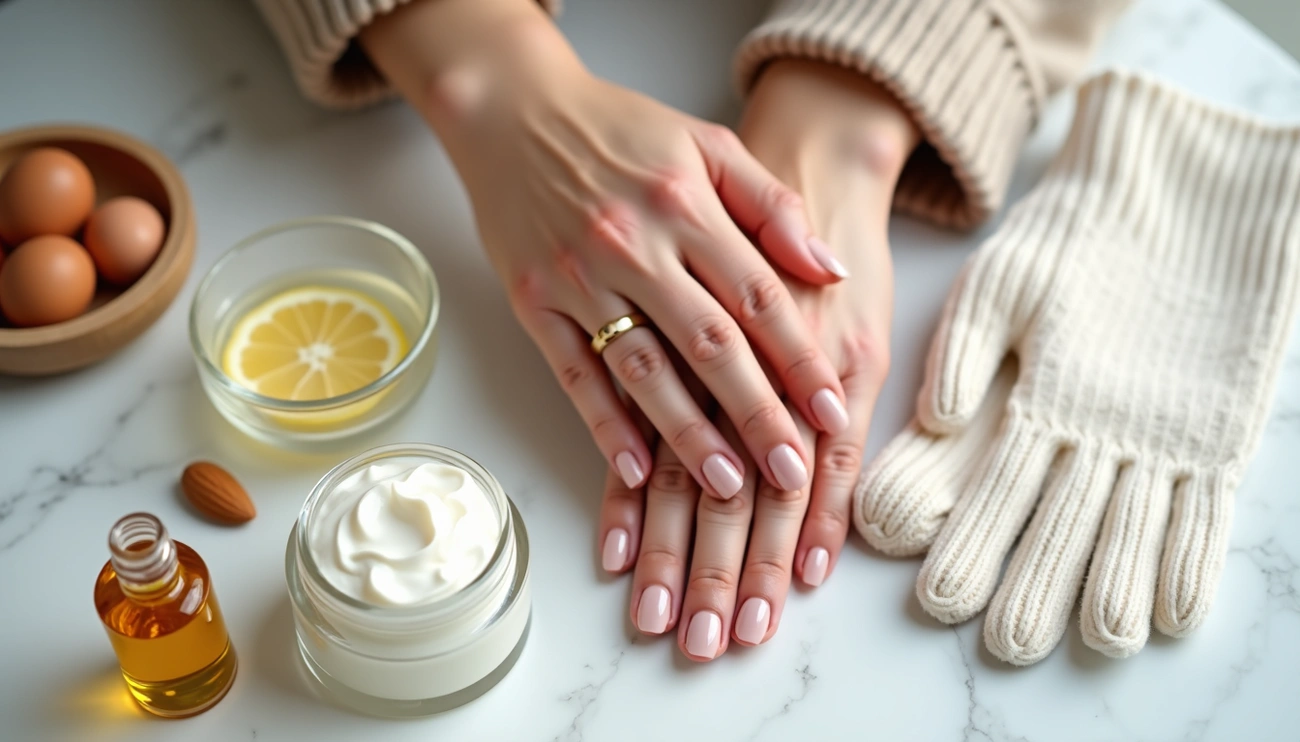
Natural oils with small enough molecules to penetrate the nail plate make the most effective moisturizers. Jojoba oil closely resembles your body’s natural oils, which makes it absorb exceptionally well. Sweet almond oil delivers vitamins A, E, and B straight to your nails.
Other beneficial oils include:
- Coconut oil – prevents nail infections while softening cuticles
- Argan oil – repairs damaged nails with high vitamin E content
- Olive oil – provides antioxidants that strengthen nails
Whatever oil you choose, avoid products with alcohol. This ingredient actually dehydrates nails despite being common in commercial formulations.
Deep Treatments for Damaged Nails
Your winter-damaged nails need intensive therapy if daily care isn’t enough. These powerful remedies can bring dehydrated nails back to life.
Overnight hand masks and gloves
Overnight treatments work wonders on really dry nails. Hand masks create a moisture-sealing barrier that lets healing ingredients sink deep into your skin. Products like Aveeno’s Skin Relief Repairing Hand Mask gloves restore moisture to dry skin and make your hands smoother.
Cotton overnight gloves work best after applying your nail moisturizer. These soft gloves trap the serum’s moisture and help your skin absorb it while you sleep. Research shows this method improves hydration by a lot since it stops moisture from evaporating overnight.
Hydrating nail serums and base coats
Nail serums pack concentrated moisture right where your nails need it. Look for products with glycerin – it’s like “a drink of water for thirsty cuticles” in winter. Gel-based serums sink in quickly so you won’t waste time waiting.
Base coats protect and hydrate your nails at the same time. The ones with biotin create a strong foundation that stops nails from peeling, chipping, and breaking. Many contain keratin and vitamin E that make your nails stronger over time.
Weekly exfoliation for better absorption

Nails need exfoliation just like skin. A weekly nail scrub removes dead cells and product buildup that block moisturizers. This simple step helps treatments work better.
Use gentle circular motions to apply a nail scrub around your cuticles and nail beds, then rinse well. Your nails will soak up treatments better right after.
Protective Habits to Prevent Dry Nails
Your nails need protection and treatment to stay healthy during winter. These protective habits will shield them from harsh winter elements.
Wear gloves in cold weather and while cleaning

You should always wear gloves outdoors in cold weather. This simple habit protects your nails from becoming brittle and dry in freezing temperatures. To name just one example, see how useful it is to keep multiple pairs within reach—one in your car, another in your coat pocket, and a third in your bag for unexpected outings.
Waterproof gloves play a crucial role in household chores too. You should put on rubber gloves with cotton lining when you wash dishes, do laundry, or clean bathrooms. This barrier keeps water and harsh chemicals from stripping away your nails’ natural oils.
Avoid hot water and harsh soaps
Lukewarm water works better than hot water. A steamy shower might feel amazing on a cold day, but hot water strips away essential oils from your nails. Your nail moisturizer should go on right after any contact with water.
Gentle, moisturizing hand soaps work better than antibacterial varieties that contain drying ingredients. On top of that, it helps to cut back on alcohol-based sanitizers that dry out nails faster.
Trim and file nails properly to prevent splits
Winter calls for slightly shorter nails to avoid snagging and breakage. File in one direction instead of using a back-and-forth sawing motion that leads to splitting. A fine-grit file (180-240 grit) creates smooth edges without jagged corners.
Conclusion
Cold weather creates unique challenges for your nail health. You need proper nail care habits to protect them during harsh winter months. Your nails need regular attention to stay strong and flexible when exposed to cold air, indoor heating, and frequent handwashing.
Winter conditions strip moisture from your nails and cause brittleness, peeling, and breakage. Daily moisturizing after handwashing helps tremendously. Applying cuticle oil before bed and using natural oil-based products can improve your nail’s health significantly. Simple consistency works better than expensive products to fight winter nail damage.
Deep treatments are a great way to get powerful restoration for badly damaged nails. Overnight hand masks with cotton gloves work wonders. Hydrating serums and weekly exfoliation help repair winter-ravaged nails. Protective habits make a difference too. Wear gloves outdoors and during cleaning, avoid hot water, and use proper trimming techniques to stop damage before it starts.
Nail care might seem time-consuming, but these simple routines take just minutes each day. Your damaged nails need six months to fully replace themselves – making prevention worth every minute. Whatever state your nails are in now, starting these practices today will help you maintain beautiful, healthy nails through winter and beyond.
Key Takeaways
Winter’s cold air and indoor heating create a perfect storm for nail damage, stripping away natural oils and moisture that keep nails strong and flexible.
• Apply nail moisturizer immediately after every hand wash to prevent moisture loss and brittleness • Use cuticle oil before bed for overnight deep hydration when nails can absorb treatment uninterrupted • Choose natural oil-based moisturizers with jojoba, sweet almond, or argan oil for maximum penetration • Wear gloves outdoors and during cleaning to protect nails from cold weather and harsh chemicals • Keep nails slightly shorter in winter and file in one direction to prevent splits and breakage
Since it takes six months to grow completely new nails, prevention and consistent daily care prove far more effective than trying to repair severe winter damage. These simple habits require just minutes daily but deliver lasting protection against seasonal nail problems.